What to Say When a Teenager Calls You “Cringe” – 50+ Comebacks That Actually Work
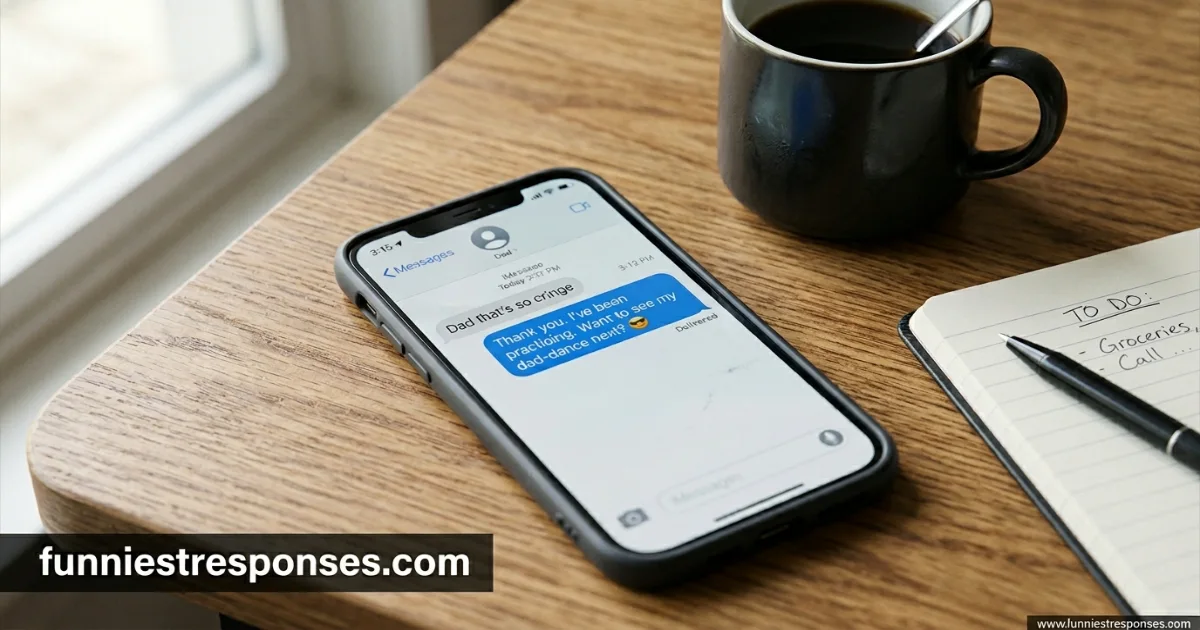
🎯 The single best response when a teen hits you with “cringe”: “Thank you! I’ve been practicing. Want to see my dad‑dance next?” (Delivered with a proud smile – you just owned the label and made them laugh.)
You’re just trying to exist. Maybe you said “no cap” incorrectly. Maybe you did a little finger‑gun move. Or maybe you simply used a smiley emoji instead of a skull. Then it comes – deadpan, dismissive, delivered with the cold authority of a tiny philosopher: “Cringe.”
It stings for a second, doesn’t it? Their whole generation has weaponized that word. But here’s the secret: cringe is in the eye of the beholder. And a teenager’s “cringe” is often just a reflex – like a cat hissing at a cucumber. They’re testing boundaries, performing social dominance. The worst thing you can do is get defensive or, even worse, try to act cool.
The best what to say when a teenager calls you “cringe” involves humor, self‑awareness, and a little bit of loving chaos. This guide gives you 50+ witty, warm, and gently savage comebacks – plus delivery secrets, texting tips, and the psychological trick that makes teens secretly respect you. Let’s turn that “cringe” into a core memory.
Why “Cringe” Hurts (And Why It Shouldn’t)
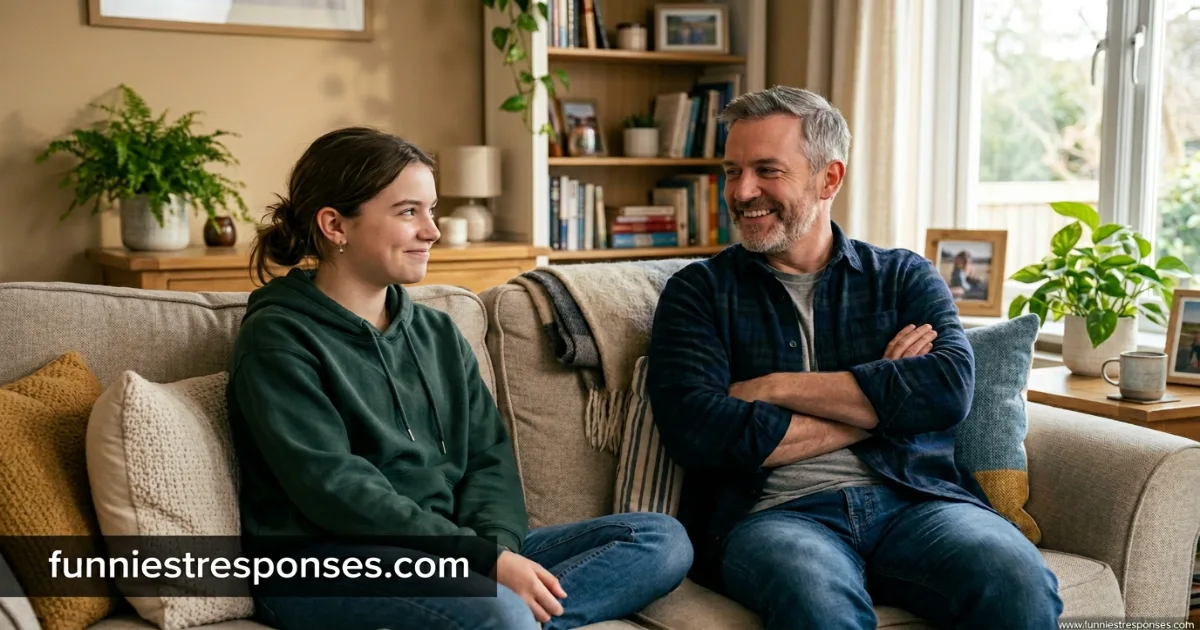
“Cringe” is Gen Z and Gen Alpha’s universal diss. It’s shorthand for “you’re trying too hard” or “you’re not fitting my narrow social script.” But here’s the thing – teenagers are hardwired to be embarrassed by adults. It’s literally developmental. They’re separating from us. A little mockery is how they practice independence.
When you respond with calm humor, you do two things: you show you’re not threatened (which surprises them), and you model how to handle low‑grade insults without melting down. That’s a life skill they’ll remember.
50+ Comebacks (Organized by Vibe)
Match the roast level to your relationship.
😎 Unbothered & Confident (Own it like a boss)
- “Cringe is just another word for ‘not 14.’ I’ll take it.”
- “I’ve been called worse by better. But nice try.”
- “Thank you for your input. I’ll add it to the suggestion box.”
- “I’m not cringe. I’m ✨vintage✨.”
- “You say cringe, I say confident. Tomato, tomato.”
😂 Self‑Deprecating & Silly (Disarm with laughter)
- “I know. I literally practiced this face in the mirror. How’d I do?”
- “Cringe is my love language. Don’t kink‑shame me.”
- “I’m not cringe. I’m just from the ’90s. It’s a permanent condition.”
- “Wait till you see me do the floss. Then we’ll talk about cringe.”
- “My cringe level is over 9000. And I’m proud of it.”
🤨 Deadpan & Mysterious (For maximum confusion)
- “Interesting. Tell me more about your deep feelings.”
- “Noted. Anything else?”
- “I’ll try to be less authentic tomorrow. No promises.”
- “Cringe? Or are you just not ready for this level of real?”
- “That’s one opinion. Here’s another: you’re still doing dishes tonight.”
🔥 Gently Roasty (For close teens who can take it)
- “Says the person who thinks low‑rise jeans are coming back. Bold.”
- “I’d rather be cringe than have your search history.”
- “I learned it from watching you, kid.”
- “Your generation invented ‘skibidi.’ You lost the right to call anyone cringe.”
- “You’ll understand when you’re older. Oh wait – you will.”
💬 Great for Texting (When they text “cringe”)
- “😭 no u”
- “I’m framing this.”
- “Read receipts: on. Shame: zero.”
- “cringe is stored in the balls. wait that’s not right”
- “Your opinion has been noted and ignored. Have a great day ❤️”
Which Comeback Fits Your Teen?
| Teen’s personality / mood | Best category | Example line |
|---|---|---|
| Your own kid (sarcastic) | Gently Roasty | “Says the one who cried over a Fortnite skin last week.” |
| Niece/nephew (playful) | Self‑deprecating | “I know. I’m basically a human secondhand embarrassment machine.” |
| Student in class | Unbothered & Confident | “Thank you. Now open your textbook to page 42.” |
| Texting (distant) | Texting category | “k. anyway how’s school?” |
How to Deliver Your Comeback (Tone, Face & Timing)
🎤 Delivery is 80% of the win. Follow these 5 steps:
- Stay relaxed – don’t tense your shoulders or narrow your eyes.
- Smile or raise one eyebrow – shows you’re playing, not fighting.
- Pause for one second – let the “cringe” hang in the air. Then reply.
- Use a light, amused voice – the opposite of defensive.
- Then change the subject or walk away casually – “Anyway, pizza?” or just go back to whatever you were doing.
Pro tip: If you can’t think of anything, just say “Thank you” in a sincere, warm tone. It confuses them more than any roast.
Texting vs. In‑Person: What Changes
When a teen texts you “cringe,” you lose facial expressions. Adapt:
- Use minimal text. “k” or “👍” or “cool story” works better than a paragraph.
- Send a voice note. A 3‑second “okay, thank you” in a monotone voice is hilarious.
- React with an emoji only. A single 😎 or 🧓 says everything.
- If they keep going, simply don’t reply. Silence wins.
In person, your physical calm is your secret weapon. Don’t fidget.
What NOT to Say (Mistakes That Make You Look Truly Cringe)
These responses backfire hard – they validate the “cringe” label:
- ❌ “No I’m not! You’re cringe!” – Defensive. Now you look like you care too much.
- ❌ Trying to use teen slang back at them incorrectly. “You’re cringe, no cap, fam.” – Please don’t.
- ❌ “That’s so rude. I’m telling your mother.” – Instant loss of respect.
- ❌ Getting quiet and looking hurt. – They’ll know they hit a nerve and may do it again.
- ❌ A long lecture about respect and kindness. – Save that for a real conversation, not a throwaway “cringe.”
The golden rule: never let them see you sweat. “Cringe” is a paper tiger.
Real‑World Scenarios (From Actual Parents & Cool Aunts)
Scenario 1 (your 14‑year‑old, at dinner): “Dad, you’re so cringe.” You: “I know. It’s a gift. Just wait till your friends come over – I have a whole routine.” He groans but smiles. Connection made.
Scenario 2 (niece, age 15, after you use a thumbs‑up emoji): “Thumbs up? That’s cringe.” You: “Thumbs up is timeless. Like a good steak. You’ll understand.” She laughs and sends a thumbs‑up back.
Scenario 3 (student in class, muttering “cringe” after your joke): You, calmly: “Thank you. That joke also tested poorly with focus groups. Now, back to the Boston Tea Party.” Class chuckles, respect goes up.
When NOT to Use a Funny Comeback (Important)
Humor isn’t always appropriate. Skip the jokes if:
- The teen is genuinely upset or embarrassed about something else – then ask “Hey, you okay?” first.
- You’re in a formal setting like a classroom where the teacher expects quiet respect – a simple “Noted” is fine.
- The teen has a history of being bullied – then a gentle “I know you’re teasing, but let’s keep it kind” is better.
- You’ve already made three jokes in a row – give them a break.
When in doubt, a warm “I’m just being me – you don’t have to like it” is honest and boundary‑setting.

Related Reading on FunniestResponses
FAQs: Everything You’ve Wondered About Teen “Cringe” Comebacks
What’s the best reply to “cringe” from my own teenager?
“Thank you. I’ll try again tomorrow.” Short, warm, impossible to argue with. They’ll probably smile.
Can I use these at school as a teacher?
Yes – keep it brief and calm. “Noted” or “Okay, moving on” works fine. Don’t try to roast a student in front of the whole class.
What if the teen gets offended by my comeback?
Extremely rare if you kept it light. But if they look hurt, say “Hey, I was just playing. I’m not upset – you OK?” That’s maturity.
What’s the worst thing I can do?
Get defensive, lecture them, or try to use their slang. All three make you look actually cringe.
How do I reply if they say “cringe” in a group setting?
Smile, say “cool,” and go back to your conversation. Ignoring is sometimes the strongest reply.
Can I just ignore it?
Yes. Silence or a calm “okay” is often better than a forced joke. But a well‑timed silly reply builds connection.
What’s a flirty response if a teen says it jokingly (not mean)?
“You like it. Admit it.” Works if you have that rapport. Keep it playfully confident.
📌 Your Cheat Sheet – Top 3 Things to Say When a Teenager Calls You “Cringe”
- 🏆 Best all‑rounder (unbothered): “Thank you. I’ve been practicing. Want to see my dad‑dance next?”
- 😂 Best for quick laughs (self‑deprecating): “Cringe is my love language. Don’t judge me.”
- 🤝 Best for staying professional (teacher/coach): “Noted. Now let’s get back to work.”
Practice your “unbothered face” in the mirror once. Then go be the cool adult who doesn’t flinch.